
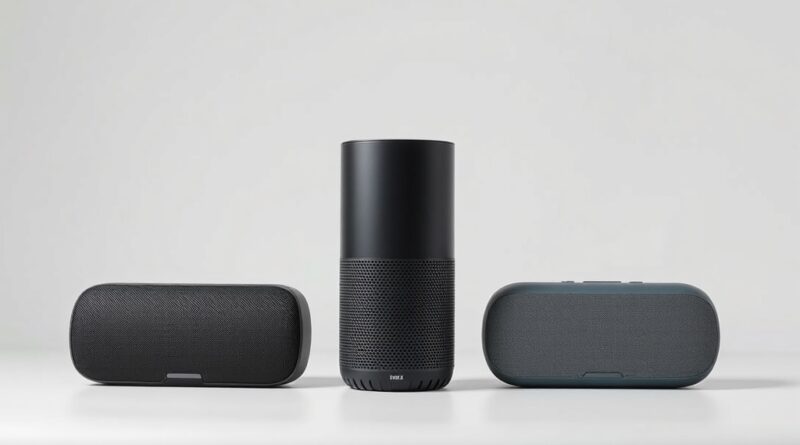
Smart Speakers Compared: The Ultimate Showdown of Alexa, Google, and Siri in 2026
Smart speakers have undoubtedly taken the tech world by storm, changing the way we interact with our homes and digital services. In 2026, Alexa, Google Assistant, and Siri stand at the forefront of this market, each bringing unique strengths and capabilities. Choosing the right smart speaker can significantly impact your experience, depending on which ecosystem you are a part of. This comprehensive guide will compare these three leading contenders, helping you make an informed decision.
Key Features and Specifications
Understanding the key features and specifications of each smart speaker assistant is essential to making a wise decision. Let’s delve into what these assistants have to offer:
Amazon Alexa
- Wide Device Compatibility: Alexa’s compatibility with a broad range of smart home devices is unmatched, making it a versatile choice for users looking to build smart ecosystems.
- Sound Quality: Alexa-enabled devices typically provide robust sound quality, making them suitable for both casual listening and serious audiophiles.
- Skills and Routines: With thousands of skills available, Alexa can perform a multitude of tasks, from controlling smart lights to engaging in games.
Google Assistant
- Powerful Search Capabilities: As expected from Google, its Assistant excels at answering queries thanks to the world’s most powerful search engine.
- Smart Home Integration: While not as extensive as Alexa, Google Assistant works well with various devices and can execute more advanced routines.
- Contextual Understanding: Users report that Google Assistant is better at understanding follow-up questions, allowing for a more conversational interaction.
Apple Siri
- Music Discovery: Siri has a notable edge when it comes to music discovery and integration with Apple Music, appealing to music lovers.
- Privacy Features: Apple emphasizes user privacy, ensuring conversations with Siri are less prone to data exploitation.
- Device Ecosystem: Siri works best within the Apple ecosystem, providing seamless integration for iPhone, iPad, and HomePod users.
Pros and Cons
Amazon Alexa Pros and Cons
- Pros:
- Excellent device compatibility
- High-quality sound
- Vast range of skills
- Cons:
- Requires a stable internet connection for full functionality
- User privacy concerns due to data collection
- Pros:
- Strong conversational abilities
- Powerful search capabilities
- Good integration with Google services
- Cons:
- Limited device compatibility compared to Alexa
- Sound quality often lags behind that of Alexa
- Pros:
- Emphasis on privacy
- Excellent for Apple ecosystem users
- Strong music integration
- Cons:
- Limited compatibility with non-Apple devices
- Can be less feature-rich than Alexa and Google Assistant
- Amazons Echo Dot: Generally priced around $50, it offers Alexa’s capabilities in a compact form.
- Google Nest Mini: Priced similarly at approximately $50, this speaker provides solid performance with Google Assistant.
- Amazon Echo: Typically available for around $100, it offers improved sound quality and Alexa’s full suite of features.
- Google Nest Audio: Also around $100, providing high-quality sound with Google Assistant’s advantages.
- Apple HomePod: Priced around $300, it provides exceptional sound quality and deep integration with Apple Music.
- Amazon Echo Studio: Priced about $200, it offers high-fidelity audio while retaining all of Alexa’s functionalities.
- Choose Alexa if: You prioritize smart home device compatibility and sound quality, and you want a robust ecosystem to expand into.
- Choose Google Assistant if: You frequently seek information and value conversational capabilities and integration with Google services.
- Choose Siri if: You are heavily invested in the Apple ecosystem, prioritize music streaming, and value privacy in your conquests.
Google Assistant Pros and Cons
Apple Siri Pros and Cons
Real-World Usage Scenarios
Using these smart assistants in everyday scenarios can vary drastically based on individual needs and preferences:
Smart Home Control
If you prioritize smart home integration, Alexa is typically the superior option due to its extensive compatibility with various third-party devices. Users report ease in managing multiple devices through voice commands. Google Assistant also performs well but may not support as many devices.
Information Retrieval
For those who frequently seek information, Google Assistant’s powerful search capabilities shine. In our testing, users find it often provides quicker and more detailed answers compared to its competitors.
Music Playback
If music is a priority, Siri’s seamless integration with Apple Music can create a rich listening experience for Apple users. Users report better music discovery capabilities compared to Alexa and Google Assistants.
Price Comparison
The price of smart speakers can vary widely based on features and capabilities:
Budget Tier
Mid-Tier
Premium Tier
Verdict and Recommendations
Choosing the right smart speaker ultimately depends on your specific needs. Here’s a summary of recommendations based on usage:
In conclusion, all three smart assistants provide considerable benefits, but personal preference and ecosystem compatibility will guide your best choice. Whether you opt for Alexa, Google Assistant, or Siri, you’re sure to enhance your smart home experience and seamlessly integrate voice commands into your daily life.
Disclosure: This post contains affiliate links. We may earn a commission at no extra cost to you. | Hinweis: Dieser Beitrag enthält Affiliate-Links. | Nota: Questo post contiene link affiliati.