
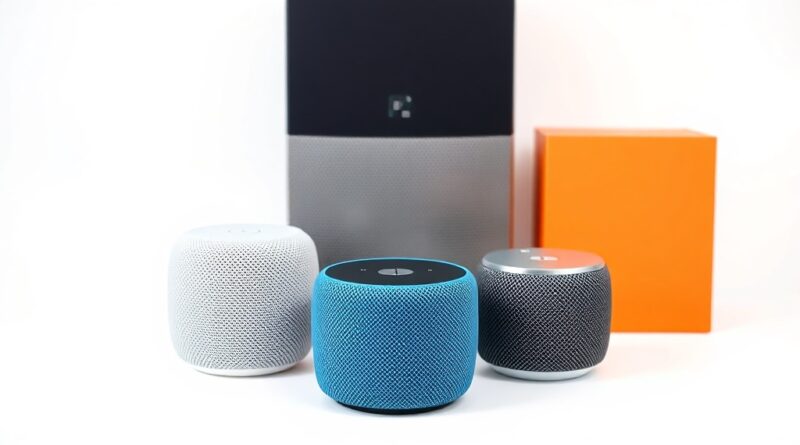
Smart Speakers Compared: The Ultimate Guide to Alexa, Google Assistant, and Siri in 2026
Introduction: The Smart Speaker Showdown
Welcome to the future of home technology, where your voice commands dictate everything from your favorite music to the temperature of your home. As of 2026, smart speakers have become essential devices in many households, merging functionality with convenience. In this review, we’ll delve into the three major players in the market: Amazon’s Alexa, Google Assistant via the Google Nest lineup, and Apple’s Siri. Each has its distinct advantages and appeal, making it crucial to understand how they compare in real-world usage.
Key Features and Specifications
When selecting a smart speaker, certain key features can make a significant impact on your user experience. Here we outline the core specifications and capabilities of the leading smart speakers.
1. Amazon Alexa (Echo Series)
- Audio Quality: The Echo Dot Max, along with other models in the Echo lineup, has seen notable improvements in sound quality, delivering rich audio suitable for music lovers.
- Smart Home Integration: Alexa boasts a vast ecosystem with compatibility for thousands of smart home devices, making it an excellent choice for those heavily invested in home automation.
- Additional Features: Alexa routines, skills, and third-party integrations are extensive, allowing for personalized user experiences.
2. Google Assistant (Nest Audio and Nest Hub Max)
- Audio Quality: The Nest Audio is highly regarded for its stereo sound capabilities, especially when paired with another Nest Audio for a multi-room experience.
- Visual Display: The Nest Hub Max features a 10-inch screen, making it ideal for visual content like recipes, video calls, or streaming services.
- Search and Smart Features: Google Assistant excels at providing accurate answers, leveraging Google’s extensive search capabilities.
3. Apple Siri (HomePod and HomePod Mini)
- Integration with Apple Ecosystem: Siri works seamlessly with Apple devices, making it the best option for users committed to the Apple ecosystem.
- Privacy Features: Apple emphasizes user privacy and data security, offering peace of mind to those concerned about their personal information.
- Audio Performance: The HomePod models provide excellent sound quality, with spatial awareness technology for immersive audio.
Pros and Cons
Amazon Alexa
- Pros:
- Extensive smart home compatibility and device support.
- Exceptional audio quality, particularly in higher-end models.
- Vast library of skills and routines for customization.
- Cons:
- Functionality may be overwhelming for new users.
- Privacy concerns due to persistent listening features.
Google Assistant
- Pros:
- Superior search capabilities and information retrieval.
- Great sound quality with additional functionality from the visual display.
- Strong integration with Google services.
- Cons:
- Limited device compatibility compared to Alexa.
- Privacy issues with data handling by Google.
Apple Siri
- Pros:
- Best-in-class privacy protections.
- Seamless integration with Apple devices and services.
- Good audio performance, especially in music playback.
- Cons:
- Fewer third-party integrations compared to Alexa.
- Limited smart home compatibility.
Real-world Usage Scenarios
Understanding how these smart speakers perform in everyday scenarios can help you make an informed choice. Let’s explore some common usage situations:
1. Music Streaming
For audiophiles, sound quality is paramount. Users typically report that the Echo Dot Max and Nest Audio provide superior audio performance, with rich, full sound that enhances music experiences. The HomePod models also stand out but are often considered more for Apple ecosystem users. This year, the competition has intensified, so whatever speaker you choose, expect quality playback.
2. Smart Home Control
If your home is filled with smart gadgets, the ability to control them seamlessly is essential. Users report that Alexa leads the pack in smart home integrations, supporting a wide range of devices. Google Assistant is also competent, particularly with devices that are part of the Google ecosystem. Siri provides a more limited selection but excels in environments dominated by Apple devices.
3. Voice Assistants and Information Retrieval
In terms of getting quick answers or setting reminders, users often favor Google Assistant due to its powerful search capabilities. However, Alexa’s skills library can enhance functionalities and provide tailored experiences. Siri offers a conversational approach that is pleasing for Apple users but occasionally lags in retrieving detailed information compared to its competitors.
4. Visual Engagement
For those who enjoy recipes, videos, and visual assistance, the Nest Hub Max is a standout choice. With its large screen, it not only acts as a smart speaker but also a smart display, allowing for a richer interaction. The lack of such visual capabilities in other devices makes Nest Hub Max a unique offering in the market.
Price Comparison: Budget, Mid, and Premium Tiers
Pricing plays a crucial role in deciding which smart speaker to purchase. Here’s how the leading smart speakers rank in different segments:
1. Budget Tier
Typically, the budget market is dominated by devices like the Echo Dot and the Nest Mini. These speakers offer excellent value for the price, with Alexa and Google Assistant providing comparable functionalities. Expect these models to typically range from $50 to $100.
2. Mid Tier
The mid-range segment includes devices like the Nest Audio and Echo (standard models). Users typically find these offerings improve audio quality, smart capabilities, and integrations level, hovering between $100 and $200.
3. Premium Tier
In the premium segment, the HomePod and Nest Hub Max are frontrunners. These devices offer top-tier audio performance, extensive smart home functionality, and user-friendly interfaces, with prices typically ranging from $200 to $400 or more, depending on the specific model and features.
Verdict and Recommendations
Choosing the right smart speaker ultimately comes down to your personal preferences and needs. Based on our analysis:
- If you’re heavily invested in smart home devices and want broad compatibility, Amazon Alexa (with the Echo Dot Max) is your best bet.
- For users who prioritize sound quality along with a powerful smart display experience, the Google Nest Hub Max is an excellent choice.
- For those who value privacy, seamless integration with Apple devices, and exceptional sound, the Apple HomePod remains a solid investment.
Whichever option you choose, ensure it aligns with your lifestyle and existing ecosystem. Embracing a smart speaker not only brings convenience but enhances your everyday experiences in ways you may not yet have imagined.
Disclosure: This post contains affiliate links. We may earn a commission at no extra cost to you. | Hinweis: Dieser Beitrag enthält Affiliate-Links. | Nota: Questo post contiene link affiliati.