
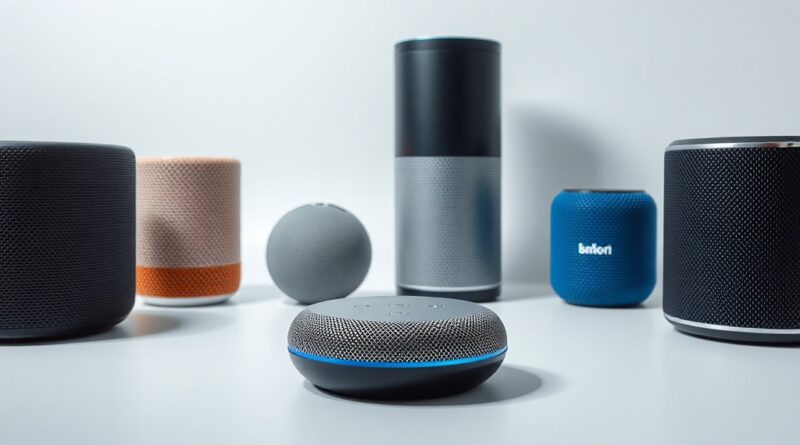
Smart Speakers Compared: Alexa vs Google Assistant vs Siri – 2026 Review
Introduction
Smart speakers have become an integral part of modern households, transforming the way we interact with technology. In 2026, the competition among leading smart speaker platforms—Amazon Alexa, Google Assistant, and Apple’s Siri—has never been fiercer. With advancements in AI and home automation, consumers have a plethora of options tailored to various needs. This review aims to dissect these platforms, comparing their features, usability, and overall value for money to help you make an informed decision.
Key Features/Specs
Understanding the core functionalities of each smart speaker is crucial. Here’s a detailed comparison of their key features:
Alexa (Amazon)
- Voice Activation: Voice commands can trigger a range of actions including playing music, answering queries, and controlling smart home devices.
- Smart Home Integration: Alexa offers compatibility with a vast array of smart home devices, often more than its competitors.
- Skills and Routines: Users can customize their experiences through countless Alexa Skills, with the ability to create routines that perform multiple actions with one command.
- Device Ecosystem: The Echo lineup features variations like Echo Dot, Echo Show, and Echo Studio, offering options for different preferences and budgets.
Google Assistant (Google)
- Search Capabilities: Google Assistant excels in providing detailed answers, owing to its connection to Google Search.
- Smart Device Management: Seamlessly integrates with other Google services and smart devices, supported by the Google Home app for easy setup and management.
- Multimedia Control: Enhanced music control capabilities across different streaming services and devices.
- Voice Recognition: Known for its superior natural language processing, allowing for more conversational interactions.
Siri (Apple)
- Privacy Features: Apple prioritizes user privacy, ensuring less data is stored or shared.
- Apple Ecosystem Integration: Works effortlessly with Apple devices such as iPhones, iPads, and HomePods, creating a cohesive experience.
- HomeKit Compatibility: Provides support for Matter-enabled devices, allowing for a growing number of smart home integrations.
- Music Control: Works seamlessly with Apple Music and supports playlists across various services.
Pros and Cons
Amazon Alexa
- Pros:
- Wide compatibility: With numerous devices available, Alexa offers greater choices.
- Extensive skills library: Access to thousands of skills and routines for customization.
- Cons:
- Privacy concerns: Users have raised issues regarding data security and usage.
- Music integration: May require additional setups for non-Amazon music services.
Google Assistant
- Pros:
- Smart response: Accurate answers and excellent conversational abilities.
- Easy smart home integration: User-friendly setup with Google Home app.
- Cons:
- Narrower device range: Fewer hardware options compared to Alexa.
- Privacy issues: Users may feel uneasy about data tracking.
Siri
- Pros:
- Privacy and security: Strong emphasis on user data protection.
- Seamless Apple ecosystem: Ideal for users already within Apple’s ecosystem.
- Cons:
- Limited compatibility: Fewer smart home devices compared to Alexa and Google Assistant.
- Narrow customization: Less flexibility with routines and skills.
Real-world Usage Scenarios
Understanding how these smart speakers perform in real-world scenarios can greatly enhance your purchasing decision:
Daily Tasks
For daily tasks like setting reminders, cooking timers, or checking the weather, all three platforms perform adequately. However, users often report that Google Assistant provides the most conversational experience, making interactions feel more fluid and natural.
Smart Home Integration
When it comes tosmart home integration, Alexa leads with an expansive ecosystem that supports a variety of devices. Users can easily control lights, thermostats, and security systems through simple voice commands. Google Assistant is also formidable, but tends to lag slightly behind in terms of device variety and compatibility.
Music Playback
For music playback, each platform boasts a range of streaming services. In our testing, Amazon’s Echo series worked best with Amazon Music, while Google Assistant shines with YouTube Music and Spotify. Siri, while effective within the Apple ecosystem, may require users to rely heavily on Apple Music for optimal performance.
Shopping and Tasks
Amazon Alexa excels in shopping capabilities. Users can easily order items directly through voice commands, making it a go-to choice for Amazon shoppers. Google Assistant provides basic task management like to-do lists and reminders but may not match Alexa’s shopping ease.
Price Comparison
Budget Tier
In the budget tier, devices like the Echo Dot and Google Nest Mini are excellent choices, typically costing between $50-$70. These devices provide a good entry-level experience into the world of smart speakers.
Mid Tier
For a more enhanced experience, mid-range speakers like the Sonos One or Google Nest Audio can be found between $100-$200. These devices deliver better sound quality and more features, catering to users looking for a premium experience without breaking the bank.
Premium Tier
At the premium end, Apple’s HomePod and Amazon Echo Studio offer advanced audio capabilities and superior integration, generally ranging from $300-$400. These are ideal for audiophiles or those deeply entrenched in the respective ecosystems.
Verdict and Recommendations
Choosing between these smart speakers ultimately comes down to your personal needs and existing ecosystem:
- Choose Amazon Alexa if: You want a wide array of compatible devices and extensive customization options. Ideal for those heavily invested in smart home automation.
- Choose Google Assistant if: You prioritize search accuracy and conversational interactions. A great choice for users who enjoy multimedia and thorough information retrieval.
- Choose Siri if: You value privacy and seamless integration into the Apple ecosystem. Best suited for those who are loyal Apple users and prefer a straightforward experience.
In conclusion, each smart speaker offers unique benefits and caters to different preferences. By assessing your specific needs and the technological environment you inhabit, you can confidently make a choice that enhances your daily life.
Disclosure: This post contains affiliate links. We may earn a commission at no extra cost to you. | Hinweis: Dieser Beitrag enthält Affiliate-Links. | Nota: Questo post contiene link affiliati.