
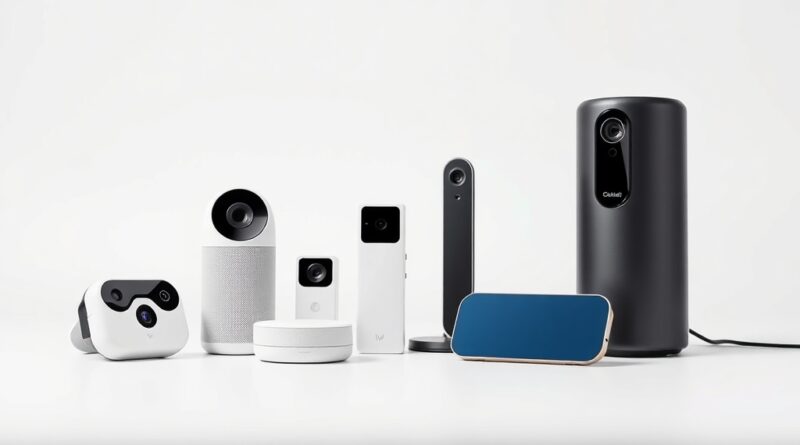
Smart Home Devices That Actually Save Money: Your Ultimate Guide for 2026
In the rapidly evolving landscape of home automation, smart home devices not only provide convenience but also offer homeowners the opportunity to save money on their energy bills. In 2026, innovative technologies have transformed everyday objects into smart devices that optimize usage and reduce waste. With the right combination of smart thermostats, bulbs, and plugs, you can effectively cut costs while enhancing the comfort of your home.
Key Features and Specifications
Smart home devices in 2026 come with a plethora of features designed to simplify your life and reduce energy consumption. Here are some key features to look out for:
- Smart Thermostats: These devices learn your schedule and preferences, automatically adjusting heating and cooling to save energy when you’re away.
- Smart Bulbs: With remote control and scheduling capabilities, smart bulbs can be programmed to turn off when not needed, ensuring minimal energy waste.
- Smart Plugs: These devices can turn any regular appliance into a smart one, allowing you to control it remotely, set schedules, and monitor energy usage.
- Smart Locks: Offering both convenience and security, smart locks can be controlled remotely, providing access to guests without compromising security.
- Smart Cameras: These devices enhance security by providing real-time monitoring and alerts for your home.
Pros and Cons
Pros
- Cost Savings: Users report a noticeable decrease in energy bills, especially with smart thermostats and plugs.
- Convenience: Control your home from anywhere using your smartphone or tablet.
- Enhanced Security: Smart locks and cameras provide added peace of mind with remote monitoring capabilities.
- Customizability: Most devices can be tailored to fit individual lifestyles and needs, offering flexibility.
- Integration: Many smart devices work seamlessly together, creating a cohesive smart home ecosystem.
Cons
- Internet Reliance: Full functionality typically requires a stable internet connection; disruptions can affect performance.
- Initial Costs: The upfront investment for smart devices can be higher compared to traditional alternatives.
- Complexity: Some users find the initial setup daunting or overwhelming.
Real-world Usage Scenarios
The practical benefits of smart home devices can be observed in various real-world scenarios:
Energy Management
Smart thermostats can save up to 15% on heating and cooling costs by adjusting the temperature based on your daily routines. For instance, you can program the thermostat to lower the temperature during work hours and start heating shortly before you arrive home.
Lighting Control
Imagine arriving home to lights that automatically turn on as you enter or lights that turn off when no one is in the room. Smart bulbs make this possible, providing not only convenience but also energy savings as they can be scheduled to turn off during daylight hours.
Home Security
With smart locks and cameras, homeowners can monitor entry points and receive alerts about package deliveries or unexpected visitors. This not only enhances security but can also lower insurance premiums.
Price Comparison
When it comes to smart home devices, there are options across various budget tiers:
Budget Tier (Under $50)
- Smart Plugs: Typically affordable, you can often find basic models around $20 that allow for remote control of appliances.
- Smart Bulbs: Entry-level smart bulbs can be found for about $15-$25, depending on features and brand.
Mid Tier ($50 – $150)
- Smart Thermostats: Good quality smart thermostats usually range from $100 to $150 and provide extensive features such as learning capabilities and energy reports.
- Smart Cameras: Mid-range smart cameras with decent video quality and features cost around $100.
Premium Tier (Above $150)
- Smart Lock Systems: Advanced smart locks with additional security features and automation can range from $150 to $300.
- Smart Home Hubs: Devices that integrate multiple smart devices, typically priced around $200, help streamline your smart home experience.
Verdict and Recommendations
In 2026, embracing smart home technology is more than just a trend; it’s a practical approach to enhancing your home’s efficiency and security. While the initial investment may deter some homeowners, the long-term savings on energy bills and the added convenience make smart devices a worthwhile consideration.
Recommendations: For those just starting with smart home technology, we suggest investing in a smart thermostat to reap the most savings. Following that, adding smart plugs and bulbs will further enhance energy efficiency and convenience. As you grow more comfortable with smart technology, consider integrating security devices like smart locks and cameras to bolster home safety.
Overall, smart home devices represent a valuable investment in your home’s future, combining cost savings, convenience, and security into one compelling package. Make the leap into smart home technology, and watch as your energy bills decrease while your home becomes smarter and more connected.
Disclosure: This post contains affiliate links. We may earn a commission at no extra cost to you. | Hinweis: Dieser Beitrag enthält Affiliate-Links. | Nota: Questo post contiene link affiliati.