
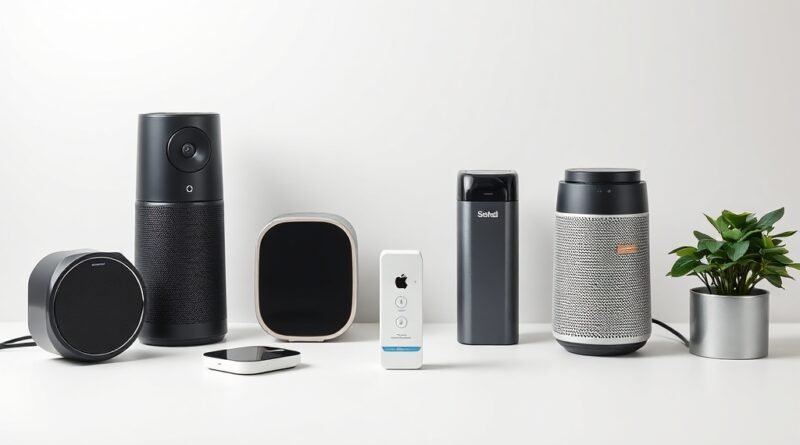
Transform Your Home: Smart Devices That Truly Save You Money
Introduction
As energy costs continually rise and the demand for sustainable living increases, smart home devices have emerged as more than just trendy gadgets—they are becoming essential tools for energy efficiency and savings. Imagine a home that learns your habits, optimizes energy usage, and even enhances your overall living experience, all while saving you money!
In this review, we’ll delve into smart home devices that genuinely deliver on their promise of cost savings. From smart thermostats to intelligent lighting, we’ll cover what makes these devices valuable in today’s world.
Key Features/Specs
Smart home technology encompasses a range of devices designed to make your living space more efficient and user-friendly. Here are some key features and specifications to consider when evaluating smart home devices that can save you money:
- Smart Thermostats: These devices learn your routine, allowing you to set schedules and adjust temperatures remotely. Features include geofencing, learning algorithms, and energy reports.
- Smart Bulbs: Energy-efficient LED bulbs can be controlled via smartphone apps or voice commands, offering illumination schedules, dimming options, and color changes.
- Smart Plugs: These devices can turn traditional appliances into smart ones by allowing you to control power usage remotely, monitor energy consumption, and set timers.
- Smart Speakers/Displays: Devices like the Google Nest Hub or Amazon Echo Show not only control other smart home gadgets but also offer voice commands for ease of use.
- Energy Monitoring Devices: These devices track the energy consumption of your household, helping you identify areas where savings can be made.
Pros and Cons
Pros
- Energy Savings: Smart devices like thermostats and bulbs adjust energy usage, helping to reduce monthly utility bills.
- Convenience: Remote control via smartphone apps allows users to manage their home’s energy efficiency on-the-go.
- Eco-Friendly: By using less energy, these devices support sustainable living practices and help decrease the carbon footprint.
- Increased Property Value: Smart home technology can boost the resale value of your home, making it more attractive to potential buyers.
Cons
- Initial Cost: Although savings can be significant over time, the upfront costs can be a deterrent for some consumers.
- Compatibility Issues: Not all smart devices are compatible with each other or with existing home systems, which can lead to frustration during setup.
- Data Privacy Concerns: Smart devices often require internet connectivity and data sharing, raising concerns about privacy and security.
Real-World Usage Scenarios
To illustrate the practicality and value of smart home devices, consider the following real-world scenarios:
- Scenario 1 – Smart Thermostat: A family with a busy schedule uses a smart thermostat that learns their habits. During weekdays, it automatically lowers the temperature when no one is home, and warms up before their return. Users report noticeable reductions in their heating bills by up to 15%.
- Scenario 2 – Smart Lighting: A homeowner installs smart bulbs throughout the house. Using motion sensors, lights turn on only when someone is in the room. Additionally, dimming features are used at night, reducing overall electricity consumption significantly.
- Scenario 3 – Energy Monitor: An individual uses an energy monitor plugged into their main appliances. They identify that an older refrigerator is consuming too much power and opt to replace it, leading to long-term savings on electricity bills.
Price Comparison (Budget/Mid/Premium Tiers)
The price of smart home devices can vary widely based on features and technology. Understanding where each device fits in the budget spectrum can help consumers choose the best option for their needs:
Budget Tier
- Smart Plugs: Typically range from $15 to $30 each. They provide basic functionality like on/off control and are great for first-time smart home users.
- Smart Bulbs: Usually priced between $10 to $20 per bulb, these LED options offer substantial energy savings and can be a cost-effective entry point into smart home technology.
Mid Tier
- Smart Thermostats: Ranging from about $100 to $250, these devices usually come with advanced features including learning capabilities and remote access, offering excellent ROI through energy savings.
- Smart Security Cameras: Prices generally fall between $100 to $300. They provide enhanced safety and peace of mind, contributing to overall home value.
Premium Tier
- Smart Home Hubs: Devices like the Samsung SmartThings or Google Nest Hub can range from $200 to $400. They provide extensive integration options and control over multiple devices.
- Full Smart Home Systems: These comprehensive setups can cost from $800 to over $2000. They include multiple smart devices, sensors, and full home automation systems, ideal for completely revamping your living space.
Verdict and Recommendations
In conclusion, smart home devices that save money not only provide enhanced convenience but also contribute positively towards energy efficiency and property value. While the initial investment may seem significant, the potential savings and increased home value typically justify the costs over time.
If you’re considering entering the smart home ecosystem, we recommend starting with devices that offer the highest ROI, such as smart thermostats and smart bulbs. Gradually, you can expand your collection depending on your budget and specific needs.
Ultimately, intelligently selected smart devices can lead to substantial long-term savings, proving their worth beyond initial expenditures. Investing in energy-efficient technology is a step towards a more sustainable future and a financially sound home environment.
Disclosure: This post contains affiliate links. We may earn a commission at no extra cost to you. | Hinweis: Dieser Beitrag enthält Affiliate-Links. | Nota: Questo post contiene link affiliati.