
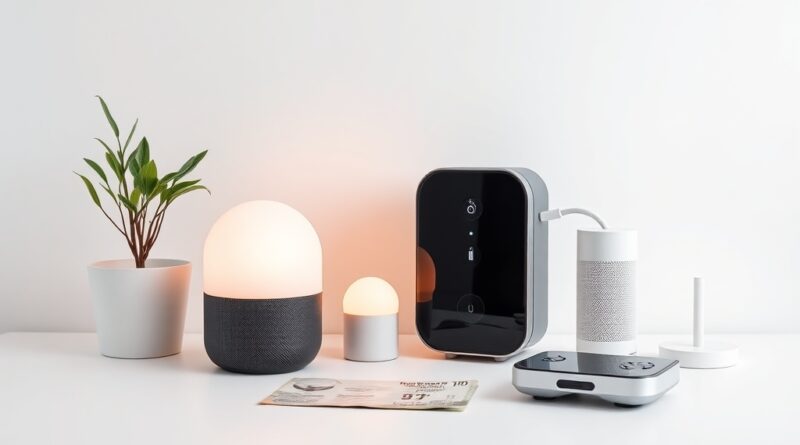
Transform Your Home: Smart Devices That Save You Money in 2026
In 2026, the concept of a smart home is no longer futuristic; it’s an integral part of modern living. With advancements driven by user demand for convenience and cost savings, smart home devices are here to make our lives easier and more efficient. Among the myriad of options available, some devices are particularly adept at saving money. This review will explore various smart home devices that not only enhance your living space but also contribute meaningfully to your wallet.
Key Features and Specifications
When analyzing smart home devices, several key features and specifications are critical for determining their value, particularly in terms of cost savings:
- Energy Efficiency: Many smart home devices, particularly smart LED bulbs and thermostats, are engineered to minimize energy consumption, translating to lower utility bills.
- Automation and Scheduling: Devices like smart plugs and lights can be programmed to operate according to your daily routines, ensuring that you’re not wasting energy.
- Cost Analysis Tools: Some advanced smart devices offer insights into energy consumption, helping users track and understand their usage better.
- Compatibility with Matter: The Matter standard has become significant in 2026, enabling various devices to communicate across different platforms for greater interoperability and efficiency.
Pros and Cons
Pros
- Enhanced Convenience: Smart home devices simplify daily tasks.
- Energy and Cost Savings: Many devices lead to noticeable reductions in electricity consumption.
- Remote Control and Monitoring: Users can manage their devices from anywhere, using their smartphones.
- Personalization: Adjustable settings allow for tailored experiences that suit individual needs.
- Compatibility: Matter-compatible devices can work together seamlessly, enhancing the overall smart home experience.
Cons
- Initial Cost: The upfront investment can be significant, especially for comprehensive smart home systems.
- Complexity: Some users may find smartphones and apps overwhelming when trying to set up and use multiple devices.
- Dependence on Internet: Smart devices typically require a strong and stable internet connection to function optimally.
- Privacy Concerns: Users may be concerned about data privacy and the potential vulnerabilities associated with connected devices.
Real-World Usage Scenarios
To provide clarity on how these devices can save money, let’s explore a few real-world usage scenarios:
- Smart Thermostats: By adjusting the heating and cooling schedules according to your routine, devices like the Ecobee SmartThermostat can reduce heating and cooling costs by up to 23%. Users report heating their homes less during off-peak hours leads to significant monthly savings.
- Smart LED Bulbs: Replacing traditional incandescent bulbs with smart LED bulbs can save around $8 to $15 per bulb annually. These bulbs last longer and consume less power, resulting in reduced electricity costs.
- Smart Plugs: Devices such as TP-Link’s Kasa Smart Plug can monitor energy usage and allow users to schedule their devices to shut off during peak hours, saving money on electricity bills.
- Smart Security Systems: While the initial investment may seem high, systems like Ring’s video doorbell can deter potential security threats and reduce homeowner’s insurance premiums, ultimately saving money in the long run.
Price Comparison
Smart home devices are available across various price tiers, making it possible for nearly any budget to benefit from technology. Here’s a breakdown:
Budget Tier
- Smart LED Bulbs: Typically range from $10 to $20 per bulb.
- Smart Plugs: Average $15 to $30 each.
- Smart Sensors: Basic sensors for doors and windows can be found for $20 to $40.
Mid Tier
- Smart Thermostats: Quality models, like the Nest Learning Thermostat, range from $100 to $250.
- Smart Cameras: Indoor cameras can cost between $50 to $150, while outdoor cameras are typically $100 to $250.
Premium Tier
- Smart Home Hubs: Comprehensive systems like Samsung SmartThings can be priced between $200 to $300.
- Complete Security Systems: Multi-camera security kits can range from $300 to $600 or more depending on features.
- Smart Appliances: Devices like smart refrigerators or smart ovens can easily exceed $2,000.
Verdict and Recommendations
In conclusion, investing in smart home devices can lead to significant cost savings when selected wisely. The efficiency of smart LED bulbs, smart thermostats, and energy-monitoring smart plugs generally provides a good return on investment through reduced utility bills. However, it’s essential to consider the initial costs and the potential complexity of integrating these systems into your home.
For those new to smart home technology, starting small with smart bulbs or plugs may be a prudent approach. On the other hand, homeowners looking to enhance their security and automation capabilities could consider investing in a mid-tier smart thermostat or a basic security system.
Ultimately, smart home devices’ compatibility with the Matter standard means they are likely to offer a more streamlined and efficient experience. As smart home technology continues to evolve, users can expect greater integration, efficiency, and cost savings, making now a great time to dip your toes into the world of smart homes.
Disclosure: This post contains affiliate links. We may earn a commission at no extra cost to you. | Hinweis: Dieser Beitrag enthält Affiliate-Links. | Nota: Questo post contiene link affiliati.