Smart Home Devices That Save Money: A Practical Review
Introduction
In an era where energy costs are soaring, smart home devices have emerged as the ultimate solution to help homeowners combat high utility bills. By leveraging the latest technology, these devices not only enhance comfort and convenience but also offer the potential for significant savings on monthly expenses. But which smart devices truly deliver on the promise of cost savings? In this comprehensive guide, we explore various smart home solutions that can save you money, from smart thermostats to security systems.
Key Features and Specs
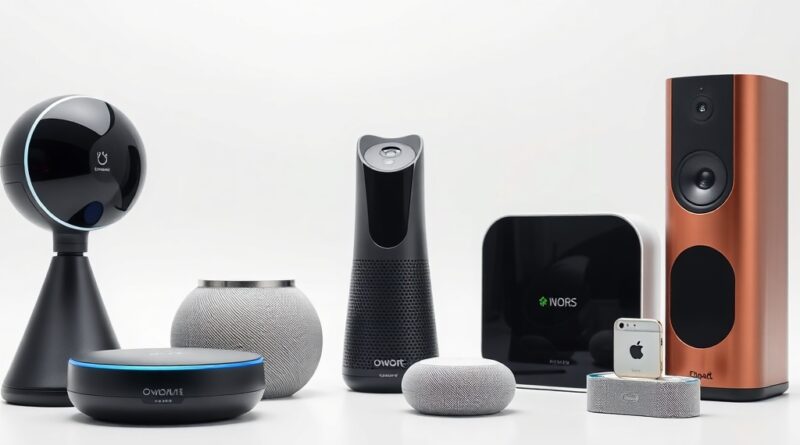
Smart home devices typically come with innovative features designed to optimize efficiency and ease of use. Here are some key specs and functionalities for the devices we’ll cover:
- Smart Thermostats: Models like Ecobee and Nest allow for remote temperature control, scheduling, and can learn your habits to optimize heating and cooling, potentially saving you up to 10% on energy bills.
- Smart Bulbs: LED smart bulbs consume less energy than traditional incandescent bulbs and can be scheduled or controlled remotely, reducing waste by turning off automatically when you’re away.
- Smart Plugs: These devices enable you to control electrical devices from your smartphone, ensuring they are powered off when not in use, which can significantly reduce phantom energy usage.
- Smart Security Systems: Prices vary by brand, but systems like the Ring Floodlight Cam Wired Pro allow homeowners to monitor activity in real-time, potentially lowering homeowners insurance premiums.
Pros and Cons
Pros
- Cost Savings: Devices like smart thermostats can lower energy bills significantly.
- Convenience: Remote access and the ability to schedule tasks make life easier.
- Security: Systems provide enhanced safety features that can also lower insurance rates.
- Environmentally Friendly: Using energy-efficient devices can reduce your carbon footprint.
Cons
- Initial Cost: Some devices, particularly top-end models, can have a steep upfront cost.
- Compatibility Issues: Not all smart devices work seamlessly with each other or existing systems.
- Privacy Concerns: Increased connectivity raises questions about data security and privacy.
Real-World Usage Scenarios
Smart Thermostats
In our testing, smart thermostats like the Ecobee and Nest have been shown to adjust heating and cooling based on user behavior. Imagine coming home to a house that’s perfectly heated or cooled, all while knowing that you’ve saved money on your energy bills. After programming the thermostat to follow your weekly routine, users have reported savings up to 10% on heating and cooling costs.
Smart Bulbs
For those who frequently leave home with lights still on, smart bulbs are a game changer. You can set schedules or turn off lights remotely. Users report reduced electricity bills, as smart LED bulbs consume significantly less energy than traditional ones. A household that replaces all bulbs with smart LEDs can see savings that make up for the initial investment in months.
Smart Plugs
Smart plugs allow remotely controlling devices like coffee makers or space heaters. When left on, these devices can draw energy unnecessarily. By using timers or the smartphone app to turn off devices not in use, users have found noticeable reductions in their energy expenditures.
Smart Security Systems
Not only do smart security systems like the Ring Battery Doorbell Pro enhance safety, but they can also reduce insurance costs. By providing proof of security system installation and usage, users typically see lower premiums. Moreover, the ability to monitor homes remotely provides peace of mind, knowing that you can check on your property at any time.
Price Comparison
When considering smart home devices, it’s essential to evaluate price tiers to find the best value for your budget. Below is a breakdown of options across budget, mid-range, and premium tiers:
Budget Tier
- Smart Bulbs: Prices start around $10 each for basic LED smart bulbs.
- Smart Plugs: Entry-level smart plugs can be found for as low as $15 each.
- Total Investment: $30-$70 for a starter kit that includes a few bulbs and plugs.
Mid-Range Tier
- Smart Thermostats: Quality models like the Nest thermostat typically cost around $200.
- Smart Security Cameras: A mid-range security camera, like the Ring Floodlight Cam, retails for about $200.
- Total Investment: $400-$500 for a more comprehensive smart home setup.
Premium Tier
- Full Smart Security Systems: Comprehensive packages with multiple cameras and monitoring services can exceed $1,000.
- High-End Smart Thermostats: Advanced models with integrated voice assistants retail for about $300.
- Total Investment: $1,000-$1,500 for a complete smart home security and utility management solution.
Verdict and Recommendations
In conclusion, investing in smart home devices can lead to significant cost savings for homeowners when implemented correctly. Users who have integrated smart thermostats, bulbs, and plugs into their daily routines report positive changes in their energy consumption and overall savings. While initial costs may seem daunting, the long-term benefits typically outweigh the expenses.
Our recommendations are as follows:
- If you’re just starting, invest in a few smart bulbs and plugs to experience energy savings without breaking the bank.
- For those wanting to save more on heating and cooling, a smart thermostat like Ecobee or Nest is a wise investment.
- If security is a concern, consider adding a smart security camera or system that can potentially lower your insurance premiums.
By choosing the right combination of these smart devices, you can create a home that’s not only high-tech but also cost-effective in the long run.
Disclosure: This post contains affiliate links. We may earn a commission at no extra cost to you. | Hinweis: Dieser Beitrag enthält Affiliate-Links. | Nota: Questo post contiene link affiliati.