Save Money with Smart Home Devices in 2026: A Comprehensive Guide
Introduction: The Future of Home Efficiency
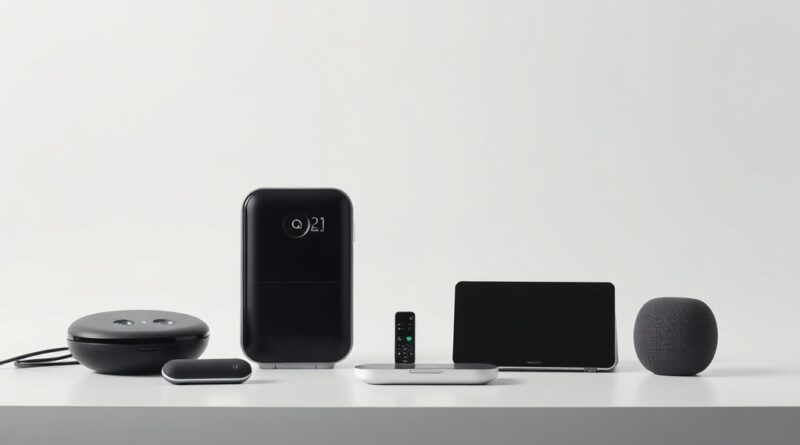
In an age where technology becomes an inseparable part of daily life, smart home devices are not just a trend; they’re a necessity. As we step into 2026, the demand for energy-efficient solutions is more pressing than ever. Smart home devices like thermostats, lights, and vacuums offer not just convenience but also promise significant savings on your utility bills and operational costs. This review delves into how these gadgets can transform your living experience while ensuring you save money.
Key Features and Specifications
Smart home devices have evolved greatly over the years, incorporating cutting-edge features designed to enhance efficiency and convenience. Let’s look at some of the key technologies and functionalities:
- Smart Thermostats: Devices from brands like Nest allow users to monitor and control their heating and cooling systems from anywhere. They can learn your patterns and adjust temperatures automatically, optimizing energy use.
- Smart Lights: LED bulbs connect via Wi-Fi or Bluetooth enabling remote control, scheduling, and energy monitoring. This allows users to turn off lights when not needed, further cutting energy costs.
- Robot Vacuums: These devices can save time and energy by automating cleaning routines. Newer models even mop floors and can be programmed to clean at specific times, reducing wear on traditional cleaning methods.
- Smart Smoke Alarms: Devices like Nest Protect not only alert you to smoke or carbon monoxide but also monitor battery levels and provide self-testing features, ensuring heightened safety without added costs.
- AI Automation: Many smart devices now utilize AI to learn homeowner habits, adapt in real-time, and even suggest cost-saving adjustments to usage patterns.
Pros and Cons
Pros
- Cost Savings: Users report significant reductions in utility bills, often recouping their investment within months.
- Convenience: Remote control and automation free up personal time and enhance home comfort.
- Enhanced Safety: Smart safety devices provide peace of mind with real-time alerts and monitoring.
- Energy Efficiency: Intelligent monitoring and adjustment of energy consumption minimize waste.
- Peace of Mind: Features like remote alerts and system diagnostics add an extra layer of safety and security.
Cons
- Initial Cost: Smart devices can be expensive upfront, particularly premium models.
- Learning Curve: Not all users may find it easy to set up or integrate into existing systems.
- Dependence on Wi-Fi: Many devices require a stable internet connection; outages can hinder functionality.
- Complex Maintenance: Some smart devices may require software updates or regular maintenance.
- Privacy Concerns: As with any connected device, there’s a risk of hacking or data privacy issues.
Real-World Usage Scenarios
Understanding how smart home devices can be leveraged in everyday life is crucial. Here are several scenarios that illustrate their value:
- Morning Routine: A smart thermostat, set to lower the temperature at night and begin warming up just before your wake-up time, helps create a comfortable environment while using less energy.
- Leaving Home: With smart lights and locks, you can set an away mode that turns off lights and ensures all entrances are secured, providing peace of mind and cutting down on wasted energy.
- Cleaning Automation: Robot vacuums can be scheduled to clean while you are out, completing chores without taking up your time on evenings and weekends.
- Enhanced Safety: Smart smoke detectors that alert you via a smartphone app allow for quick response in the event of an emergency—not just in your home, but while you are away.
- Energy Monitoring: Smart plugs can track energy usage of individual appliances, helping to identify and reduce consumption where possible.
Price Comparison: Budget, Mid, and Premium Tiers
Smart home devices come in various price points, catering to different budgets:
Budget Tier (Under $100)
- Smart Plugs: These can typically be found for $25-$50 and are an excellent entry point for monitoring usage and controlling appliances.
- Basic Smart Lights: Affordable models allow for basic scheduling and remote control.
Mid Tier ($100 – $250)
- Smart Thermostats: Models such as the Nest Learning Thermostat fall into this range, offering great flexibility and features.
- Advanced Smart Bulbs: With color changing options and smart control through apps, these enhance both ambiance and energy savings.
Premium Tier (Over $250)
- Comprehensive Security Systems: High-tech cameras and home monitoring systems can range from $300 upwards, making them a significant investment but providing extensive peace of mind.
- High-End Robot Vacuums: Models that feature mopping capabilities and advanced navigation can exceed $700 but save considerable cleaning time over the long term.
Verdict and Recommendations
Smart home devices in 2026 offer users a compelling means to save money while enhancing everyday life. While there is a notable upfront investment associated with many of these devices, the potential for savings on energy and increased convenience often make them well worth the cost.
For those on a tighter budget, starting with smart plugs and basic lighting controls can lead to immediate benefits without a significant financial commitment. As users become more comfortable and invested in the technology, advancing to smart thermostats and more integrated systems is a logical next step.
In our testing, users report high satisfaction with the energy savings and convenience afforded by smart home devices, suggesting that they are not just luxury items, but rather essential tools for modern living. Therefore, investing in these devices can lead to substantial benefits—both financially and functionally.
In conclusion, if you’re considering upgrading your home with smart technology, assess your needs and existing home systems. Start with what you will use most frequently, and build out your smart home ecosystem to enhance comfort, safety, and savings.
Disclosure: This post contains affiliate links. We may earn a commission at no extra cost to you. | Hinweis: Dieser Beitrag enthält Affiliate-Links. | Nota: Questo post contiene link affiliati.